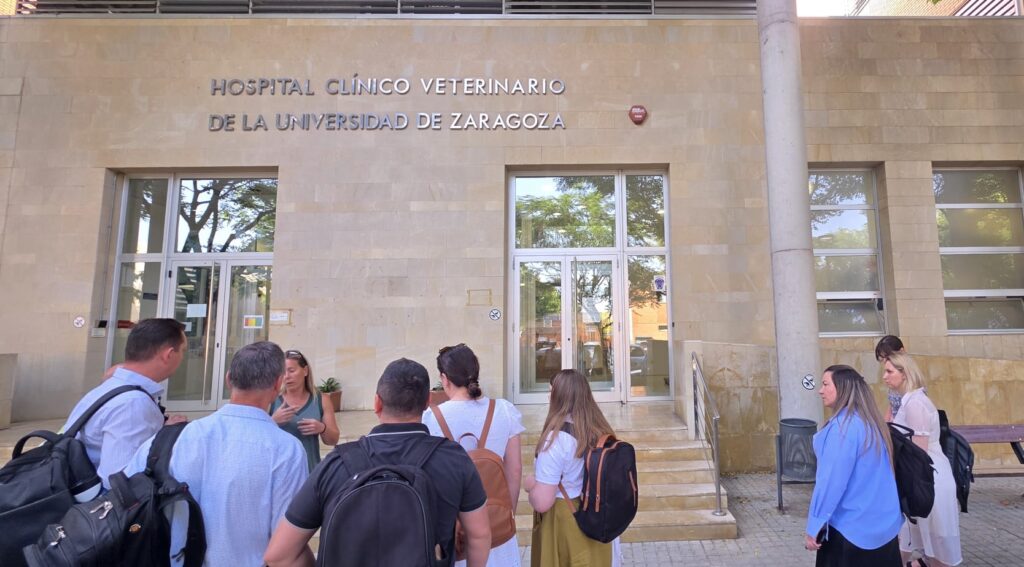
The Faculty of Veterinary Medicine of the University of Zaragoza hosted the second implementation stage of the Erasmus+ EDUVET Capacity Building Workshop during 20 June – 4 July 2026, bringing together academic staff from the project partner institutions for two weeks of intensive curriculum development and knowledge exchange.
Building on the outcomes of the first CBW held at USAMV Cluj-Napoca, participants continued the development of the 10 courses selected for modernisation within the UTM Veterinary Medicine programme. Working collaboratively throughout the two weeks, academic teams refined course structures, defined learning outcomes, improved teaching and assessment methods, aligned student workload with ECTS requirements, and integrated the One Health approach across the curriculum.
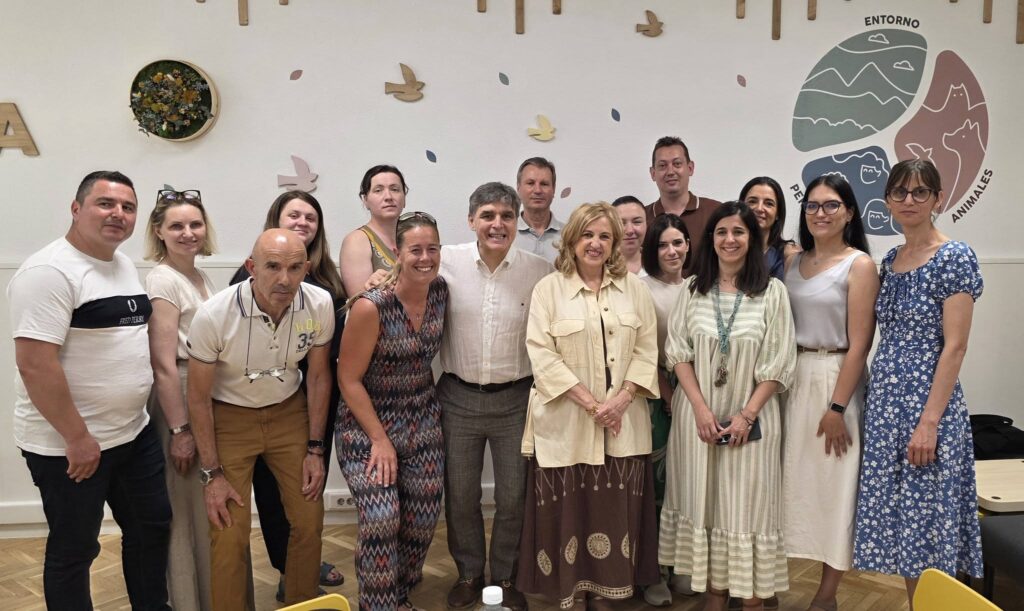
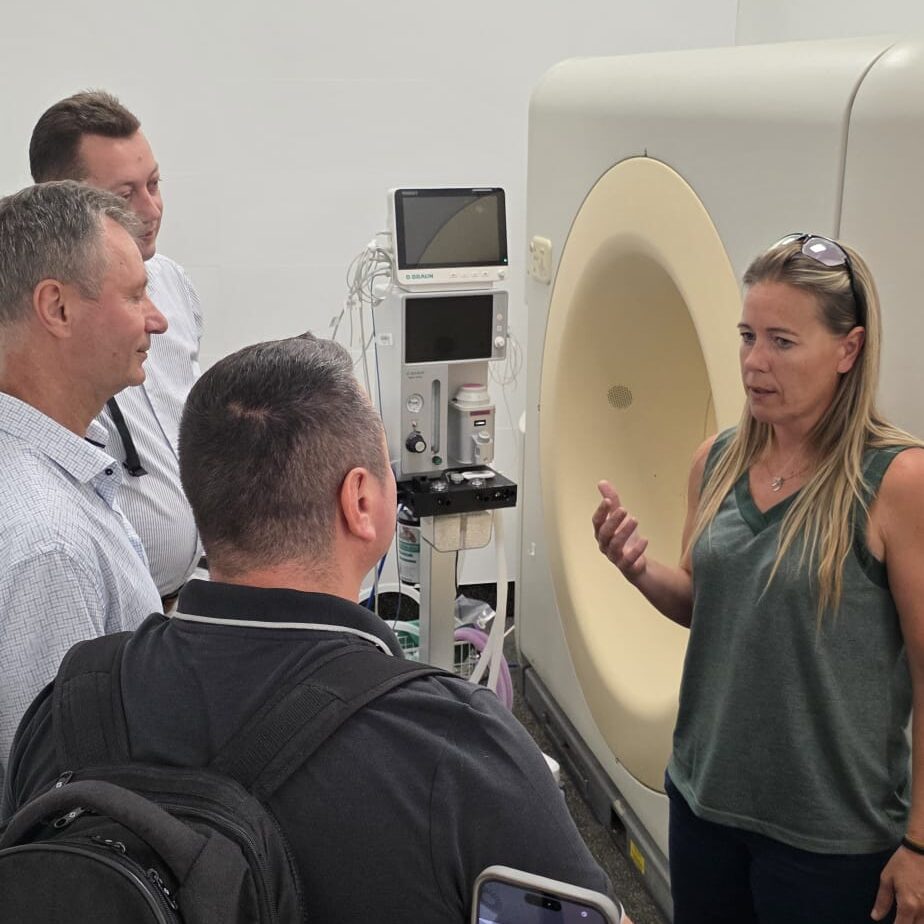
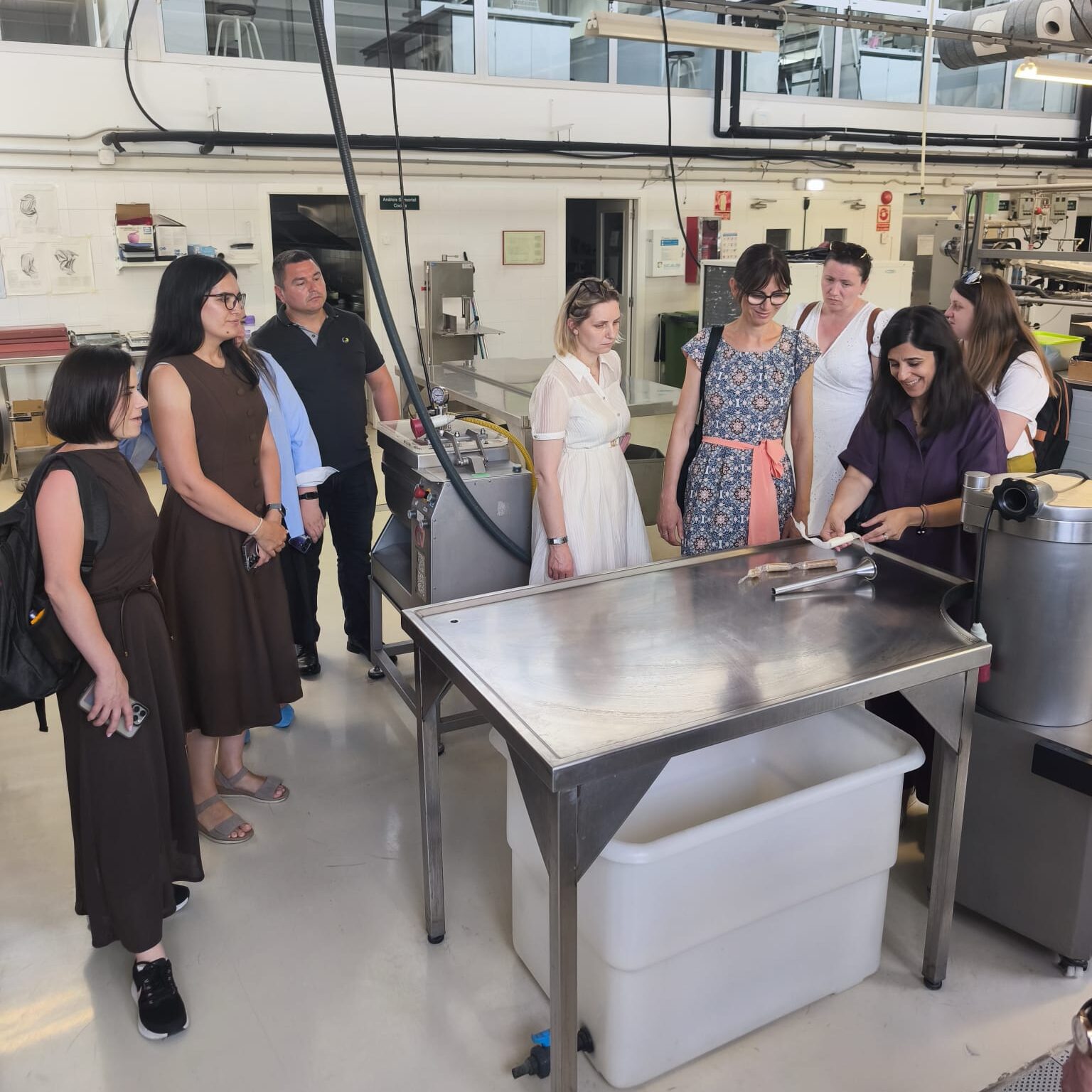
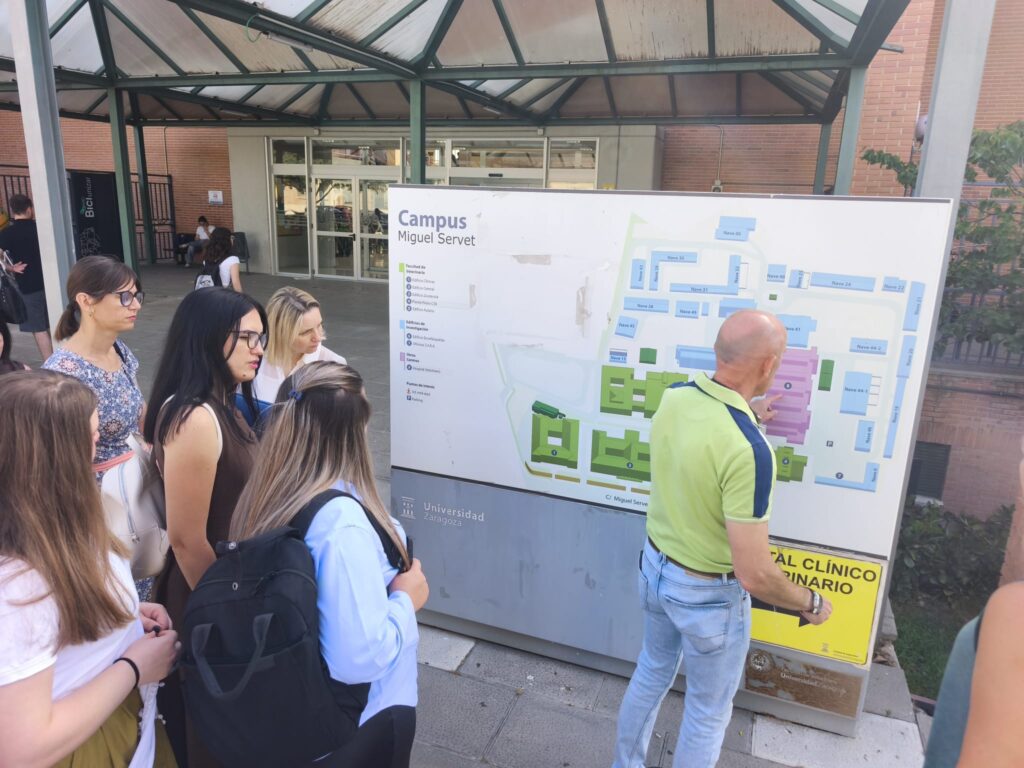
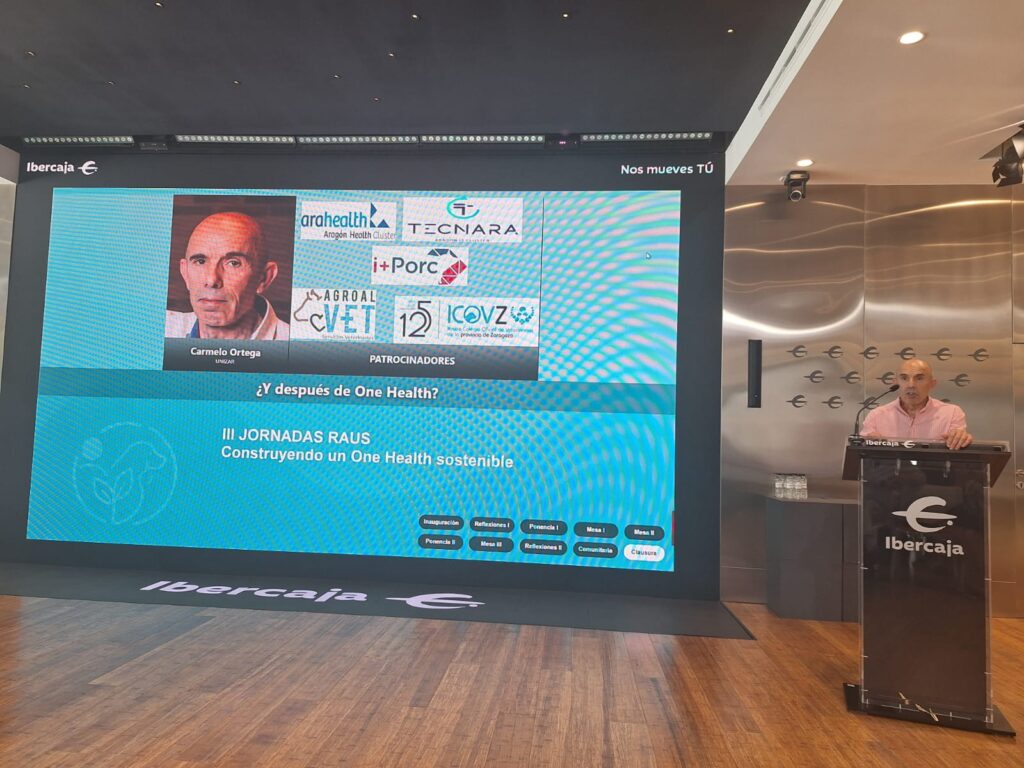
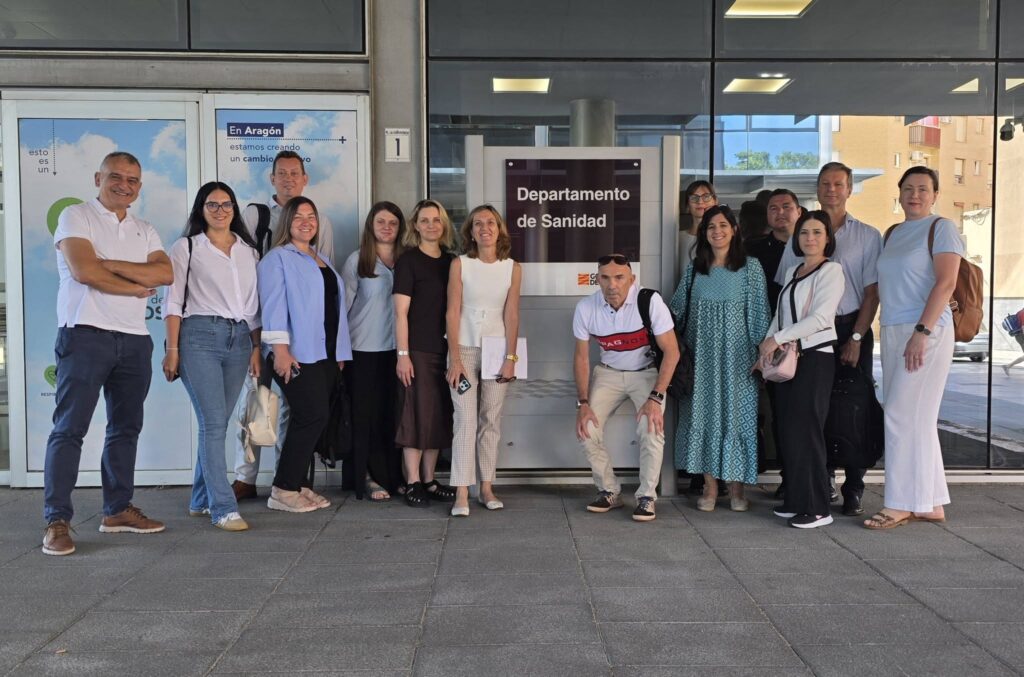
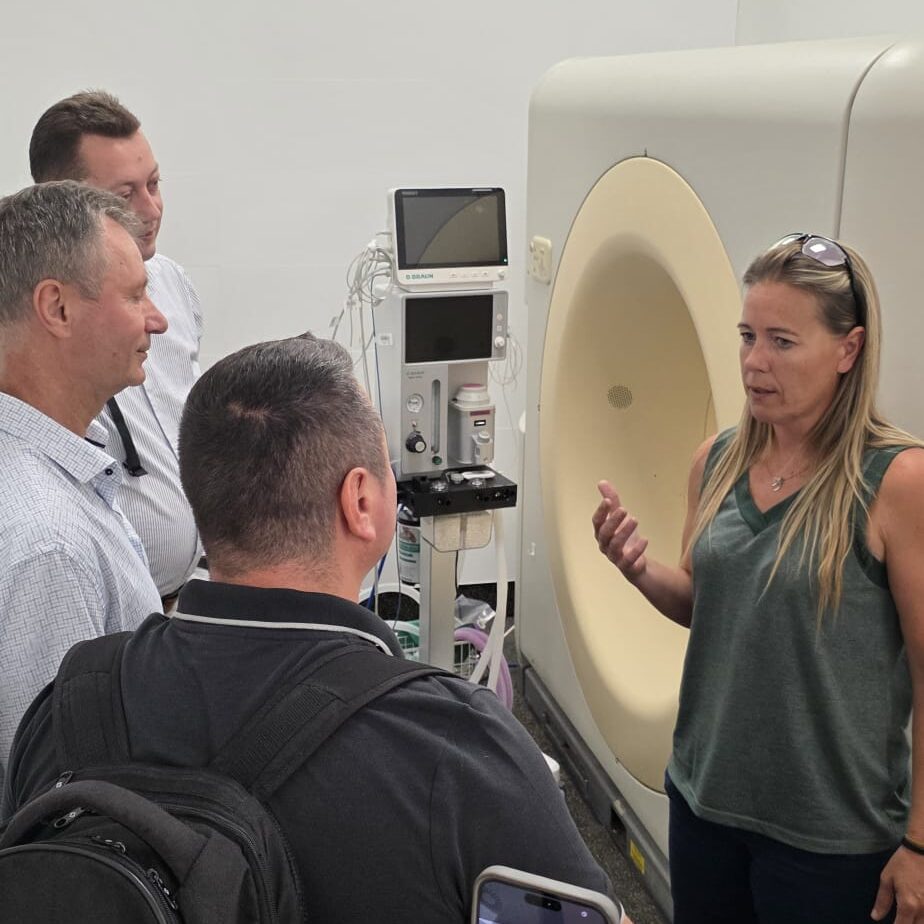
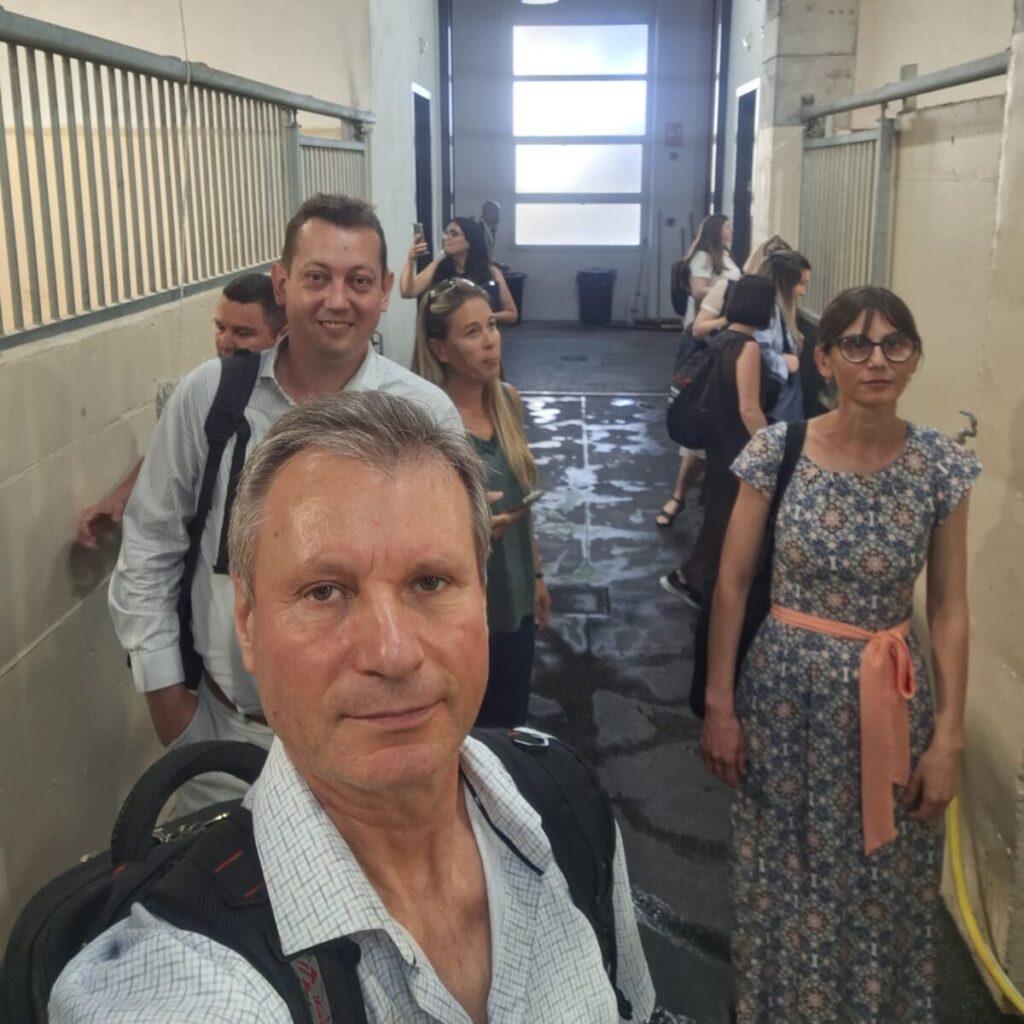
Alongside the curriculum development sessions, participants explored the educational and research ecosystem of the University of Zaragoza through visits to the Veterinary Hospital, Food Technology Pilot Plant, teaching laboratories, and research institutes. Working sessions covered the Veterinary Medicine and Food Technology curricula, postgraduate education, specialisation programmes, and microcredentials. The workshop also provided first-hand experience of Spain’s veterinary and public health system through visits to the Public Health Department of the Aragonese Government, the Public Health Laboratory Services, the Department of Animal Health and Food Quality and Safety, and MERCAZARAGOZA. Meetings with representatives of the One Health Network of Aragón, AraHealth, Tecnara, and I+PORC underlined the importance of interdisciplinary collaboration between academia, public authorities, research institutions, and industry.
By the conclusion of the workshop, project partners had successfully produced the first complete version of the syllabuses for all 10 modernised courses — a major milestone in the implementation of Deliverable D2.5 and a solid foundation for the final refinement and validation of the curriculum during subsequent project activities.
EDUVET partners extend their sincere thanks to the University of Zaragoza for the inspiring environment, excellent organisation, and warm hospitality.
Funded by the European Union. Views and opinions expressed are however those of the author(s) only and do not necessarily reflect those of the European Union or the European Education and Culture Executive Agency (EACEA). Neither the European Union nor EACEA can be held responsible for them.